
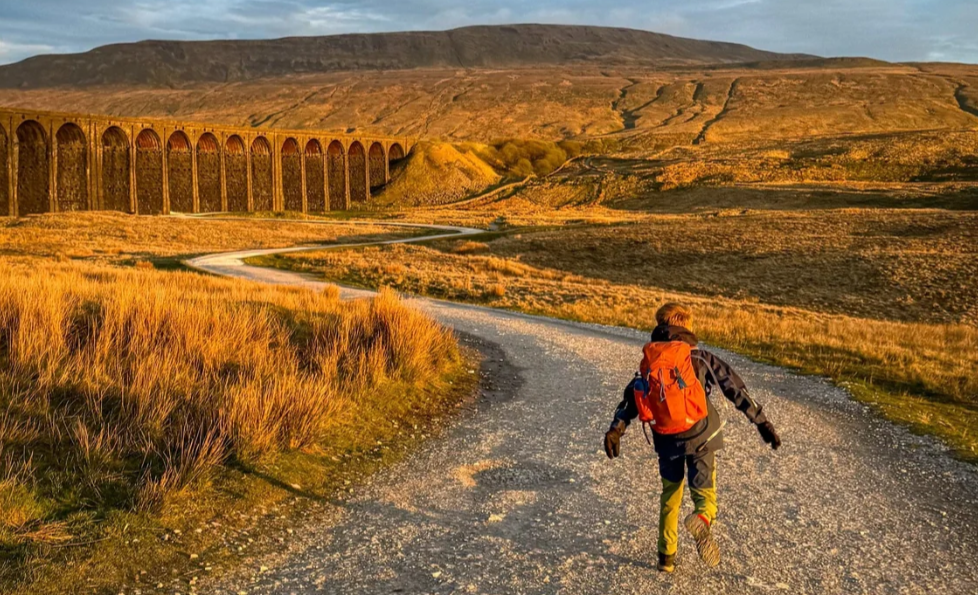
Climbing mountains is more than just an outdoor activity. It is a strenuous exercise that puts mental toughness, physical stamina, and the capacity to adjust to difficult situations to the test. It takes planning, perseverance, and steady work to reach the top of a mountain. Building stamina becomes especially crucial for hikers who want to climb many peaks in a short amount of time. Cardiovascular health, physical strength, and mental toughness may make the difference between overcoming challenging terrain and having a fulfilling mountain adventure.
Recognising The Physical Requirements Of Climbing Mountains
Mountain hiking, in contrast to regular walking, has constant elevation changes, difficult terrain, and erratic weather. Rocky descents put a lot of strain on the knees and leg muscles, while steep ascents test the heart and lungs.
Reaching the peaks of Snowdon, commonly known as Yr Wyddfa, Scafell Pike, and Ben Nevis is the goal of the 3 Peaks Challenge UK. The goal of the National Three Peaks Challenge is usually to finish all three summits, including the transit between them, in a single day. Because of this rigorous schedule, recuperation, pace, and endurance are crucial components of preparation.
Building up enough stamina lowers the risk of extreme exhaustion while assisting hikers in sustaining their energy levels during the trip.
Developing The Muscles Required For Climbing Mountains
It takes more than just cardiovascular stamina to climb mountains. Equally crucial are strong legs, sturdy joints, and a healthy core.
The muscles utilised for steep ascents may be developed with exercises including squats, lunges, step-ups, and calf raises. Exercises that strengthen the core enhance stability and balance while negotiating rough terrain.
Muscular endurance is particularly crucial for anybody thinking of climbing Ben Nevis since the tallest peak in Scotland requires a significant height rise and a long descent. Hikers who have strong quadriceps, hamstrings, and glutes are better able to regulate their movements during strenuous parts.
Resistance training may decrease muscle fatigue and increase overall climbing efficiency when included in a weekly fitness regimen.
Building Mental Concentration For Extended Mountain Travel
A pleasant mountain trip cannot be ensured by physical preparedness alone. When hikers experience fatigue, shifting weather, or challenging terrain, mental endurance becomes more crucial.
Establishing reasonable training objectives aids in boosting confidence prior to taking on challenging climbs. Demanding paths might also seem less intimidating when lengthy walks are divided into smaller, more manageable chunks.
Hikers may stay collected in difficult situations by practising regulated breathing, keeping a steady walking pace, and concentrating on immediate progress.
Acknowledging one’s own limitations should also be part of mental preparation. A key component of prudent mountain climbing is knowing when to slow down, take a break, or turn around.
Using Real Mountain Terrain For Practice
While indoor exercise cannot entirely mimic the actual hiking abilities developed by outdoor training, gym sessions provide essential conditioning.
Climbing Scafell Pike requires climbers to become used to rocky terrain, high slopes, and uneven surfaces. The highest peak in England has difficult terrain that calls for steady focus and precise foot placement.
Walking boots, backpacks, waterproof clothes and navigational aids may all be tested on practice treks.
Hikers may better understand how their bodies react to extended exercise by gradually increasing walking lengths and height increases. Participants may be better prepared for carrying necessary supplies by training with a heavy rucksack.
Making Recovery, Hydration, And Nutrition A Priority
The energy requirements of prolonged alpine activities are supported by a healthy diet. Training sessions are fuelled, and muscle recovery is supported by balanced meals that include protein, carbs, and healthy fats.
Equally crucial is staying hydrated, especially on demanding hills. Maintaining physical performance is aided by frequent drinking and carrying enough water.
In order to give muscles and joints time to adjust, recovery days should be included between strenuous activities. Additionally, getting enough sleep promotes brain clarity and physical healing.
Ignoring chronic discomfort or fatigue during times of intense exercise might raise the risk of damage. Improvements are more long-lasting when a balanced approach is used.
Conclusion
It takes commitment, organised training, and an awareness of one’s own physical levels to become ready for a strenuous alpine trip. Improved stamina is a result of mental toughness, physical strength, outdoor exercise, and cardiovascular training. Appropriate diet, recuperation, and reasonable expectations are equally crucial. Hikers may face difficult mountain paths with more control, endurance, and enjoyment for the adventure if they progressively increase their fitness and establish confidence via regular preparation. In the end, enjoying the experience safely and ethically is more important for successful mountain climbing than just reaching the peak.