
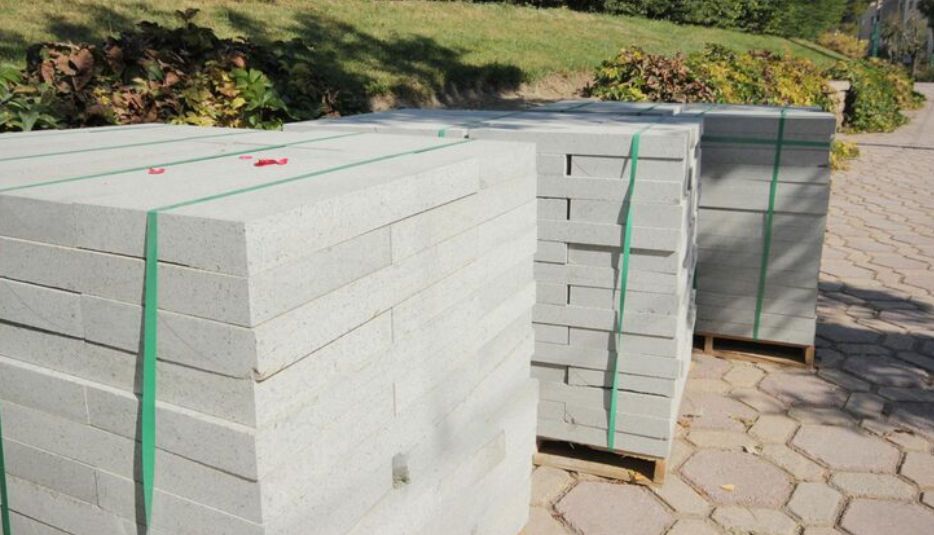
Modern construction projects often require materials that are strong, lightweight, and practical to install. ASTM D6817 geofoam is one material that can help meet these needs in a variety of construction and geotechnical applications. ASTM D6817/D6817M is a specification for rigid cellular polystyrene geofoam, covering materials such as expanded polystyrene (EPS) and extruded polystyrene (XPS). It defines important physical properties, including density, compressive resistance, dimensions, and flexural strength.
What Is ASTM D6817 Geofoam?
ASTM D6817 geofoam is a lightweight foam material designed for use in construction and geotechnical projects. Unlike traditional fill materials such as soil or gravel, geofoam has a very low weight while still providing useful compressive resistance. This makes it suitable for projects where reducing the load placed on the ground is important.
The ASTM D6817 specification helps define different material types and their required physical properties. This allows project teams to select a suitable geofoam type based on the needs of the application.
Reducing Loads on the Ground
One of the main advantages of ASTM D6817 geofoam is its lightweight nature. Large amounts of conventional fill can add considerable weight to the underlying soil. On sites with weak or compressible ground, this additional weight can create design challenges.
Using geofoam as lightweight fill can reduce the load placed on the existing ground. This can be useful for applications such as roadway construction, bridge approaches, embankments, and other projects where controlling settlement is important.
Supporting Efficient Construction
ASTM D6817 geofoam can also make some construction tasks easier because the material is lightweight and can be handled and placed without the same equipment requirements associated with heavy fill materials. Its block or planar form can be incorporated into planned construction assemblies according to the project’s design.
The reduced material weight can also simplify transportation and placement. This may help construction teams organize work efficiently when the appropriate installation methods and project specifications are followed.
Providing Predictable Material Properties
Another benefit of ASTM D6817 geofoam is the use of defined physical property requirements. The specification includes requirements for characteristics such as density, compressive resistance, and flexural strength. Different geofoam types provide different levels of compressive resistance, allowing engineers to select material according to expected project loads.
This predictable approach can help engineers include the material in their project calculations and specifications. However, the standard focuses on material properties and dimensions rather than the complete design, placement, or workmanship of a particular project.
Applications in Construction Projects
ASTM D6817 geofoam can be considered for several types of construction work where lightweight fill is useful. It may be used in roadway and bridge approach projects, slope and embankment construction, landscaping structures, and other geotechnical applications.
Its use should always be based on project-specific engineering requirements. Designers also need to consider factors such as concentrated loads, environmental exposure, chemicals, thermal properties, and buoyancy where relevant.
Conclusion
ASTM D6817 geofoam offers construction professionals a lightweight material with defined physical properties for geotechnical applications. By reducing ground loads and supporting efficient material handling, it can provide a practical option for projects where conventional fill may not be suitable. Careful engineering, material selection, and proper installation are important for achieving the intended project performance.