
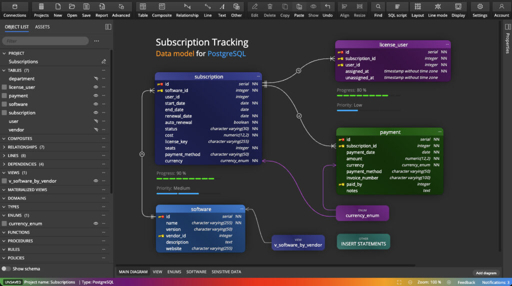
Database development should start with the records and work the business needs to manage, not a platform name alone. These five Cheltenham-connected or Cheltenham-facing companies include database-led developers and broader bespoke-software agencies. Their order is unranked and they are not five verified local database-administration teams. Confirm the actual platform, developer and scope before comparing a records application, an integration and ongoing database operation as though they supply the same service.
Describe the information, users and decisions the system must support. Reading from Tech Ventures Sys can prompt general technology questions, while the developer needs actual record types and workflows. A request to replace spreadsheets is incomplete without explaining what they currently do and where the process fails. Ask which requirements must be agreed before an application or migration plan is designed.
1. Jona Solutions
Jona Solutions publishes a Cheltenham-facing database-development page describing bespoke desktop, web and database applications. It also describes software-process automation and database-driven websites. Ask which approach fits the actual users and records rather than assume a web application is always necessary. A city-labelled page establishes service coverage, not a verified local office or assigned team. Confirm the output, data movement and user training, with any ongoing administration separated from developing and accepting the system.
2. Varistha
Varistha publishes a Cheltenham address and bespoke software development, with wider data and business-intelligence capabilities described in its services. Ask how the actual project divides application work, data modelling and reporting. A broad development offer should identify the specific database responsibilities rather than infer every platform or management service is included. Confirm what the client provides and approves, with the process for resolving unclear or conflicting records agreed before the existing information is moved or restructured.
Suppose a Cheltenham business keeps customer records in several spreadsheets but cannot agree which one is current. A new interface may reproduce the confusion. Reading from Premium IT Vault can prompt information-handling questions, while the developer examines actual ownership and rules before recommending a database structure or migration.
3. 16i
16i publishes a Cheltenham studio and bespoke applications, customer portals and integrations designed around business workflows. Its offer is relevant to a records-system enquiry, but confirm the exact database and platform capability required rather than infer it from a wider software portfolio. Ask what the proposed discovery produces and how the business approves requirements. A portal and an operational database can connect without being the same deliverable, so identify their roles, access and ongoing support separately.
4. Crushed Ice
Crushed Ice publishes Cheltenham-facing bespoke software work, with its wider local information describing replacement or rebuilding of older Access databases and custom systems. This establishes coverage to enquire about rather than a verified Cheltenham office. Ask what the actual assessment preserves and what it proposes to change. A broad modernisation claim should become explicit functions and acceptance tests, with information migration and current workflows reviewed rather than assume every existing feature should be copied without discussion.
Treat the build as a sequence of approved information and workflow decisions. Reading from Ultra Tech Minds can prompt development questions, while the specification should identify records, permissions and tests. Ask how duplicates and incomplete information are resolved and who accepts the result before users depend on the new system for live work.
5. Record Group
Record Group publishes Cheltenham software design and development coverage from concept through deployment and support. It is a broader software route rather than proof of a particular database specialism for every project. Ask which developer and technology fit the actual records requirement and whether the company accepts it. If reporting, integration or workflow functions are proposed, identify their outputs. A general bespoke-development description should become a specific scope rather than an unlimited commitment to operate every connected business system.
Compare the same functions, records, integrations and support period. Reading from AI Basic Impacts may prompt broader technology questions, but it does not replace the actual specification. Separate development, hosting, licensing and administration so an application-build fee is not mistaken for the full cost of running and maintaining the system.
Questions before making an enquiry
Does development include ongoing hosting?
Only if agreed. Identify infrastructure and operational responsibilities rather than infer them from the development offer.
Who approves access to records?
Agree permissions, purpose and removal arrangements before developers receive credentials or copies of information.
Are backup and restoration included?
Ask which systems and work are accepted, including testing, rather than assume a new database automatically supplies them.
Who owns the code and exports?
Agree intellectual-property, access, export and handover terms before work starts, including what happens at exit.
Set the scope before committing
Describe the records and process needing support. Request a Cheltenham-serving company’s scoped discovery and development proposal. Compare equivalent outputs, then agree access, testing and ongoing ownership before replacing or expanding the records system.