
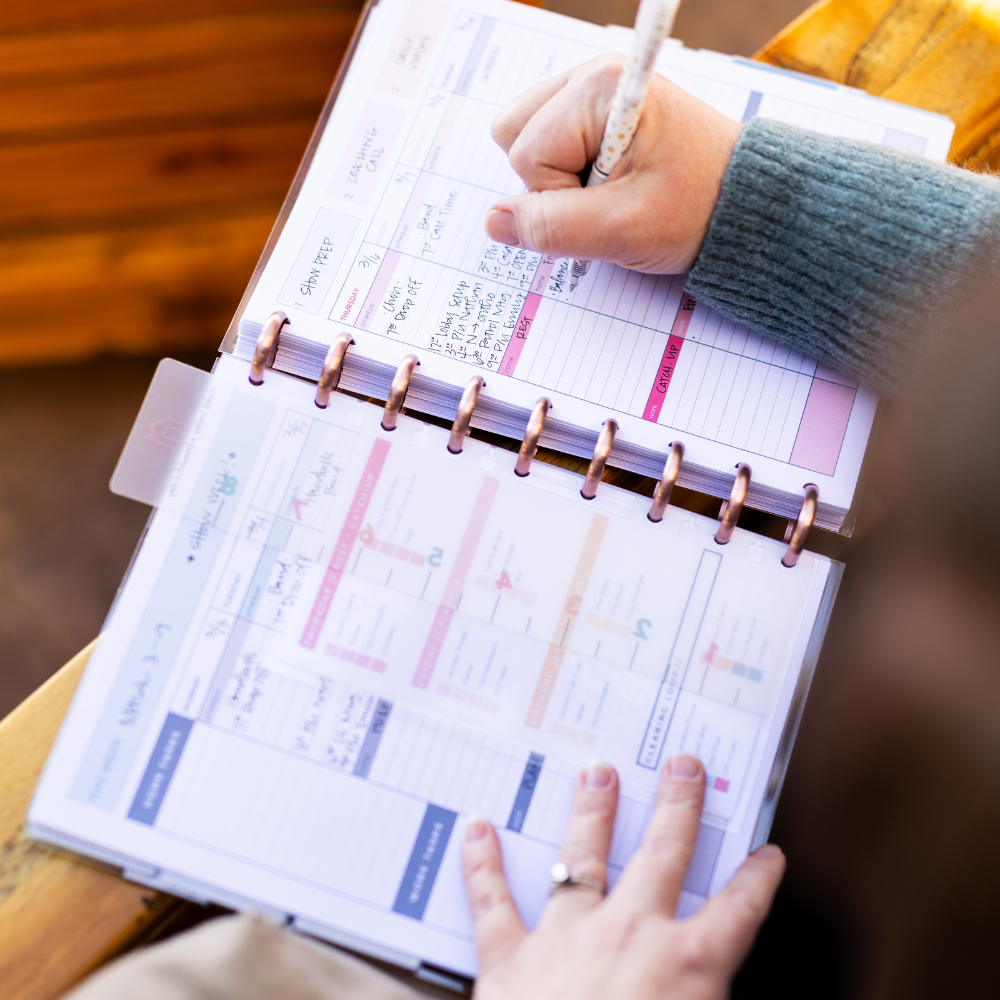
A well planned week is not one where every hour has been assigned a task. It is a week that gives important things enough space while leaving room for everything that cannot be predicted. Work needs attention, errands have to get done, and responsibilities do not disappear, but life becomes much easier when the schedule is not constantly operating at full capacity.
Good weekly planning is less about squeezing more productivity into seven days and more about deciding where your time should go. When priorities are clear, the week can accommodate work, rest, relationships, personal interests, and even the occasional change of plans without everything falling apart.
Room for a Slower Start
Many people begin Monday already feeling behind. Emails are waiting, appointments are approaching, and unfinished tasks from the previous week are still demanding attention. A little preparation can change that experience.
Planning the week before it begins makes it possible to identify the tasks that genuinely need immediate attention. Instead of treating everything as equally urgent, you can decide what matters most and what can wait.
This does not require a complicated planning system. A calendar, a short task list, and a realistic understanding of available time can be enough. Lifestyle resources such as Melbwire Melbourne may offer plenty of ideas about activities, work, and city living, but fitting those possibilities into real life still depends on knowing how much time you actually have.
Room for Things to Go Wrong
Schedules often fail because they assume everything will happen exactly as expected. A 30 minute task takes an hour. Traffic is worse than usual. A meeting runs late. Something at home suddenly needs attention.
A well planned week expects some uncertainty.
Instead of scheduling tasks back to back, leaving gaps between important commitments creates breathing room. These small buffers can absorb delays without forcing the entire day to be rearranged.
This approach is particularly helpful for people managing work alongside family responsibilities, study, appointments, or regular travel. Flexibility should not be viewed as unused time. It is part of a realistic schedule.
Room for Life Outside Work
Productivity can easily become the main measurement of a successful week. Yet completing a long list of tasks does not necessarily mean the week was well spent.
Time with family, conversations with friends, hobbies, exercise, cooking, reading, and simple relaxation all deserve space. If these activities are only considered after every other responsibility is finished, they may never happen.
Planning personal time can feel unnecessarily formal, but it protects that time from being consumed by less important activities. Browsing a site such as vizz.com.au might inspire an outing, activity, or new interest, but a free evening on the calendar is what actually makes it possible to enjoy it.
A good plan creates opportunities to live rather than simply complete tasks.
Room for Movement
Physical activity often disappears from busy schedules because people imagine it requires a dedicated gym session or a large block of free time. In reality, movement can be incorporated into ordinary routines.
Walking during a lunch break, taking the stairs, cycling for a short journey, stretching between tasks, or getting off public transport a little earlier can all contribute to a more active day.
The way people move around their city also influences how they plan their time. Services and discussions associated with GLID Melbourne, for example, reflect a broader interest in mobility and navigating urban environments. When travel is considered during weekly planning rather than treated as an afterthought, people can make more realistic decisions about where they need to be and how long getting there will take.
Room for Proper Meals
Food is another area that becomes more complicated when there is no plan. A busy evening arrives, there is nothing obvious to prepare, and convenience becomes the default.
A basic weekly meal plan can reduce that problem without requiring every meal to be prepared in advance. Knowing what ingredients are available and having a few simple meal ideas can make evenings easier.
It can also reduce unnecessary grocery purchases. Rather than buying ingredients without knowing when they will be used, shopping becomes connected to actual plans.
The objective is not to create a rigid menu. It is simply to make the easiest option at home a practical one.
Room for Getting Around Efficiently
Travel time can quietly consume a significant portion of the week. People often plan appointments based only on their starting times while forgetting the time required to reach them.
Thinking about urban transportation as part of weekly planning can help prevent unrealistic schedules. Public transport timetables, walking distances, parking, cycling routes, and peak travel periods can all influence whether two commitments comfortably fit into the same day.
Grouping errands geographically can also save time. Instead of making several separate trips during the week, related tasks can sometimes be completed during the same journey.
These small decisions may not look significant individually, but together they can create several hours of additional flexibility.
Room for Spontaneity
Planning and spontaneity might seem like opposites, but they can actually support each other.
When every hour is already occupied, an unexpected invitation becomes difficult to accept. When essential responsibilities have been organized and some time remains deliberately open, spontaneous opportunities become easier to enjoy.
You might discover an event, decide to visit somewhere new, meet a friend unexpectedly, or simply spend an afternoon doing nothing particularly productive.
Local platforms and communities such as GLID Melbourne can introduce people to different ways of experiencing their surroundings, but exploration becomes easier when there is actually room for it.
A good schedule should therefore contain some empty space. Not knowing exactly how every free hour will be spent can be part of the plan.
Room for Tasks You Keep Avoiding
Almost everyone has a collection of small jobs that remain unfinished because they never seem important enough to prioritize.
Booking an appointment, organizing paperwork, fixing something minor at home, replying to an old message, or clearing an overcrowded cupboard may take relatively little time. Yet these unfinished tasks can create a surprising amount of mental clutter.
Setting aside one flexible block each week for miscellaneous jobs can help. Instead of allowing these tasks to accumulate, you have a regular opportunity to address whichever one currently matters most.
The satisfaction often comes not from doing something major but from finally removing several small annoyances.
Room for Rest Without Guilt
Rest should not have to be earned by reaching complete exhaustion.
A sustainable week includes periods when nothing productive is expected. That could mean watching a movie, reading, sitting outside, sleeping a little longer, or spending an evening without checking work messages.
Planning rest may sound contradictory, but it can prevent free time from being accidentally filled with additional obligations.
More importantly, rest makes the rest of the schedule easier to manage. Concentration, patience, and motivation are difficult to maintain when every day is packed with activity.
Room to Change Your Mind
No weekly plan should become a contract with yourself.
Priorities can change on Wednesday even if they looked perfectly reasonable on Sunday. New information appears, energy levels fluctuate, and unexpected responsibilities emerge.
The most useful schedule is one that can be adjusted without creating unnecessary stress. Moving a task to another day is not automatically a planning failure. Sometimes it is evidence that the plan is responding to reality.
A well planned week ultimately leaves room for more than productivity. It creates space for relationships, movement, meals, exploration, unexpected problems, spontaneous opportunities, unfinished tasks, and genuine rest.
The goal is not to control every hour. It is to give important things enough structure while preserving enough flexibility to experience the parts of life that cannot be scheduled in advance.