
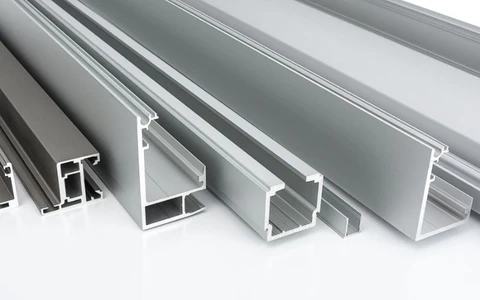
Understanding the Material Comparison
Selecting the right structural material is a long-term investment decision. Aluminum frames and steel frames are both widely used, but their performance differs significantly when evaluated over the full lifecycle of a structure. While steel has traditionally dominated construction, aluminum frames are now gaining recognition for delivering superior long-term value across multiple applications.
Weight and Structural Efficiency
Steel is known for its strength, but it is also extremely heavy. This added weight increases transportation costs, installation time, and foundation requirements. Aluminum frames, on the other hand, are lightweight yet structurally efficient. Their reduced weight lowers overall project costs and improves construction speed. In many modern developments, aluminum systems such as 鋁架 are chosen specifically to optimize efficiency without sacrificing reliability.
Maintenance and Corrosion Resistance
One of the most significant differences between aluminum and steel lies in maintenance requirements. Steel is highly vulnerable to corrosion, especially in humid or coastal conditions, and requires ongoing treatments to prevent rust. Aluminum naturally resists corrosion, eliminating the need for frequent maintenance. This inherent advantage makes aluminum frames far more cost-effective over time. Projects that incorporate 鋁架 systems often benefit from lower upkeep expenses and greater long-term stability.
Sustainability and Environmental Impact
Sustainability is a growing concern in construction, and aluminum clearly outperforms steel in this area. Steel production is energy-intensive and contributes heavily to carbon emissions. Aluminum, while also industrially processed, is far more efficient to recycle. Recycled aluminum retains its strength while using a fraction of the energy required for new production. As a result, aluminum frame structures—especially those using 鋁架—are increasingly favored in environmentally responsible projects.
Flexibility, Customization, and Adaptability
Aluminum frames are easier to fabricate, modify, and adapt compared to steel frames. This flexibility supports modular construction and allows for faster design changes when project requirements evolve. Aluminum systems can be assembled and disassembled efficiently, saving both time and labor costs. Steel frames, while strong, are less adaptable and often require complex modifications. The versatility of 鋁架 systems makes them ideal for scalable and future-proof construction.
Total Cost of Ownership and Long-Term Value
Although steel may appear cheaper at the initial purchase stage, the total cost of ownership tells a different story. Aluminum frames reduce transportation expenses, installation complexity, and long-term maintenance costs. Over decades of use, aluminum often delivers a higher return on investment. For developers focused on durability, efficiency, and sustainability, aluminum frames—and the widespread adoption of 鋁架—clearly provide superior long-term value.
Final Verdict on Long-Term Performance
Steel frames still serve an important role in heavy-duty construction, but aluminum frames are better suited for modern, efficiency-driven projects. Their lightweight nature, corrosion resistance, environmental benefits, and adaptability make them a smarter choice for the future. As construction priorities continue to shift, aluminum frame systems, including advanced 鋁架 designs, stand out as the material that truly delivers lasting value.

