
When considering your next trip, the best Italian cities to visit offer a unique blend of history, culture, cuisine, and charm that few other destinations can match. From bustling urban hubs to serene coastal retreats, Italy’s cities cater to a wide range of traveler interests. Having spent over 15 years leading teams and projects that often involved managing travel to Italy for both business and leisure, I’ve seen how selecting the right cities can profoundly impact your experience. In this guide, I’ll share the top five cities that consistently deliver unforgettable experiences, with insights grounded in practical knowledge and real-world travel stories. Whether it’s your first visit or a return journey, these destinations are packed with opportunities to engage deeply with Italian life.
Venice: The City of Canals and Timeless Beauty
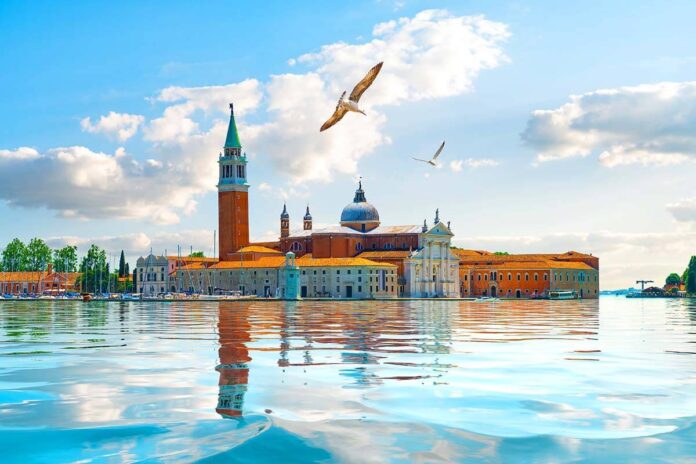
Venice is unlike any other city—its unique canals, centuries-old architecture, and historic landmarks make it a top destination for UK travelers. I recall a client who underestimated Venice’s charm, thinking it was overly touristy, only to be captivated by its quiet alleyways and sunrise over the Grand Canal. Venice is not just for sightseeing; it’s about soaking up the atmosphere in a gondola, wandering hidden streets, and enjoying local cicchetti (small snacks). From Piazza San Marco to the Rialto Bridge, Venice balances cultural richness with an intimate, almost dreamlike quality that stays with you long after leaving. Before you finalise long-distance travel plans like moving between cities or arranging transport for your luggage, it’s useful to compare Car Transport Quotes Glasgow to help coordinate logistics alongside your Italian adventure.
Florence: Cradle of the Renaissance and Artistic Excellence
Florence stands as a testament to Italy’s artistic heritage, rich with museums, galleries, and architectural marvels like the Duomo. Back in 2018, Florence was considered overwhelming for first-timers, but experience taught me pacing is key. Florence is best savored slowly—an afternoon at the Uffizi, followed by an evening stroll along the Arno River. The city’s intimate size means you can immerse yourself fully without feeling rushed. From practical lessons, I know Florence’s combination of history, art, and vibrant local culture forms a perfect foundation for anyone looking to understand Italian creativity and craftsmanship.
Rome: The Eternal City Steeped in History
Rome’s allure is timeless with its layers of ancient ruins, baroque fountains, and lively piazzas. The reality is, no trip to Italy feels complete without a visit to the Colosseum, Vatican, and countless other landmarks. From leading tours to handling logistics, I’ve seen how Rome demands preparation—crowd management and timing make all the difference. The city pulses with energy, where every corner holds a story. For business travelers and leisure seekers alike, Rome offers lessons in blending modern life with a profound historical backdrop, making it a top pick for an Italian city visit.
Milan: Italy’s Fashion and Business Powerhouse
Milan is often viewed strictly as a fashion and business hub, but this overlooks its rich cultural side. I’ve observed many UK visitors adjust their itinerary to include Milan’s impressive art galleries, historical churches, and vibrant nightlife. More than just the Duomo and La Scala, Milan is evolving with dynamic urban spaces blending tradition and innovation. The practical takeaway here is that Milan’s energy and style reflect Italy’s forward-looking mindset—ideal for travelers wanting a city that balances business efficiency with lifestyle flair.
Naples: Authentic Italian Culture and Culinary Adventure
Naples delivers raw, authentic Italy often missed in more polished cities. The city’s vibrant street life and world-famous pizza signal a different kind of Italian experience. From a strategic standpoint, Naples teaches us about embracing the unexpected—the close proximity to Pompeii and the Amalfi Coast adds layers to your trip. I’ve seen how clients who include Naples find their cultural understanding deepens. It’s messy, passionate, and always alive, illustrating the complexity and vitality of Southern Italy, making it essential for a well-rounded Italian city tour.
Conclusion
From the timeless allure of Rome to the captivating canals of Venice and the artistic core of Florence, the best Italian cities to visit offer a spectrum of experiences for the discerning traveler. My advice, drawn from years of travel management and personal exploration, is to approach each city with an open mind and willingness to explore beyond the obvious. These cities reveal different facets of Italy’s rich tapestry, each adding depth to your journey. So, for your next trip, consider this blend of history, culture, innovation, and raw authenticity to create not just memories, but meaningful stories of Italy.
Frequently Asked Questions
What are the best Italian cities for art lovers?
Florence and Rome are top destinations for art lovers, featuring world-renowned museums like the Uffizi and Vatican Museums, housing masterpieces from the Renaissance to Baroque periods.
Which Italian city is best for food enthusiasts?
Naples is ideal for food lovers, especially for experiencing authentic pizza and traditional southern Italian cuisine, while Bologna also offers exceptional culinary experiences.
Is Venice suitable for families with children?
Venice offers unique experiences for families, but its narrow streets and canals require careful planning. It works best with older kids who can appreciate the culture and navigate safely.
What is the best time to visit Italian cities?
Spring (April to June) and autumn (September and October) provide the best weather and fewer crowds, making it ideal for sightseeing and enjoying local events.
Can I travel easily between these cities?
Italy’s train network connects major cities like Rome, Florence, Venice, Milan, and Naples efficiently, making travel between these destinations straightforward and convenient.
Are Italian cities expensive for UK travelers?
Costs vary, but Italian cities generally offer a range of options from budget to luxury. Planning ahead and local dining experiences can control expenses effectively.
What cultural experiences should I not miss in Italy?
Key cultural experiences include attending opera in Milan, exploring historic piazzas in Rome, and participating in local festivals in Venice or Florence.
Is Milan worth visiting beyond shopping?
Absolutely, Milan is also rich in history, art, and architecture, with landmarks such as the Sforza Castle and Santa Maria delle Grazie, home of The Last Supper painting.
What safety tips are there for tourists in Italy?
Stay vigilant in crowded tourist spots, keep personal belongings secure, and learn basic Italian phrases to enhance communication and avoid common scams.
How can I make the most out of my Italian city visit?
Plan your itinerary realistically, balance popular attractions with hidden gems, and allow time for spontaneous exploration to fully experience Italy’s vibrant culture.

