
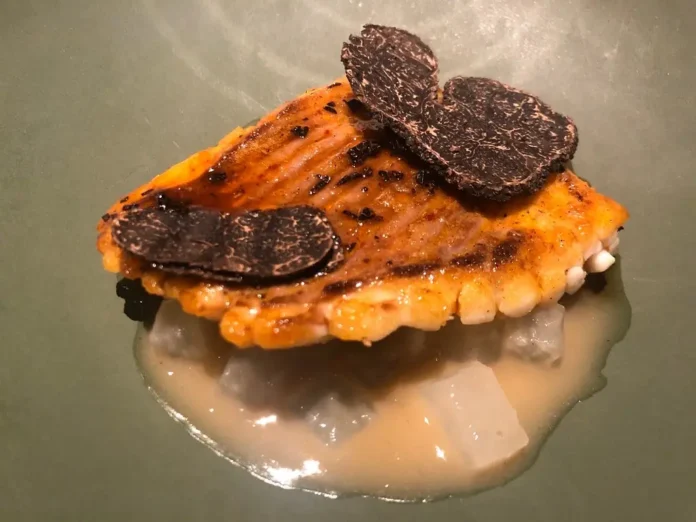
Recent coverage in London’s dining scene has drawn fresh attention to Ikoyi Restaurant menu seasonal course highlights, as winter produce shifts bring new iterations to the two-Michelin-starred tasting menus at 180 Strand. Chef Jeremy Chan’s daily-evolving surprise menus, priced at £380 for the full dinner experience and £170 for shorter lunches, continue to pull in diners amid broader discussions on micro-seasonality and West African spice integration with British ingredients. The restaurant’s relocation and persistent innovation—spanning smoked jollof rice theatrics to aged turbot pairings—have sparked renewed curiosity, especially following January mentions of gola pepper broths and drunken prawns in social feeds from early 2026 visits. Public accounts note how these seasonal course highlights adapt to line-caught fish from colder waters and slowly grown roots, maintaining Ikoyi’s core of umami layering without fixed dishes. This moment captures the venue’s pull as a destination where British winter austerity meets bold, sourced spices, prompting repeat explorations even as reservations book out months ahead.
Winter Produce Foundations
Micro-Seasonal Vegetable Shifts
Winter at Ikoyi leans into roots and brassicas, slowly grown for density rather than bulk. Carrots confit in wild garlic oil appear alongside fermented scotch bonnet, their earthiness punched up without overwhelming subtlety. Public diner notes from recent lunches describe these as foundational bites—small, precise, setting umami baselines. The approach respects produce optima, avoiding force-ripened imports for native varieties that hold spice infusions better in cold months.
Sustainable Fish Line-Catches
Line-caught pollack or cod from northern seas dominate early 2026 courses, grilled lightly to preserve moisture. One account highlights Orkney scallops with Japanese brinjal, peppery leaves adding bite amid West African selim grains. These proteins flex with tides, sometimes paired with egusi miso for nutty depth. Ikoyi Restaurant menu seasonal course highlights shine here, balancing fragility against heat.
Aged Beef Dry Methods
Native beef ages up to five months, developing funk that anchors heavier winter plates. Rib sections grill with saffron soubise, spring greens jus cutting richness. Diners report teardrop peas or creamed variants providing textural relief. This technique, publicly detailed in reviews, underscores how seasonality tempers intensity—colder months favoring deeper umami builds.
Spice Sourcing Evolutions
Sub-Saharan peppers like penja or gola refresh palettes between courses, ground fresh for broths. Recent Instagram captures show gola pepper broths warming January tables, aromatic without burn. Suya blends evolve too, dusting sweetbreads or peas. These elements tie Ikoyi Restaurant menu seasonal course highlights to global sourcing, adapting to what ships viably in winter.
Umami Layering Bases
Mushroom dashi or tomato ferments underpin nearly every dish, intensified by cold-weather storage. Black trompette mushrooms pair with turbot, their earth matching aged fish. No single recipe repeats; instead, layers stack variably. Public records emphasize this as the glue holding winter menus cohesive.
Signature Dish Iterations
Smoked Jollof Rice Variants
Jollof rice remains constant, cooked in burnt broth then smoked tableside with seafood custard—lobster or crab shifting seasonally. Winter versions lace wild garlic, evoking hearth fires. Diners note theatrical presentation heightens anticipation, custard yielding to smoky grains. Ikoyi Restaurant menu seasonal course highlights often peak here, a thread through years of evolution.
Plantain Fritter Refinements
Buttermilk plantain fritters crisp in polenta-sorghum blends, raspberry salt or scotch bonnet powder varying by berry availability. Winter blackberries add tart smoke, emulsion of calabash and nutmeg alongside. Reviews praise chew without sogginess, a technical win. These bites recur, tweaked for micro-seasons.
Suya-Spiced Proteins
Suya rub coats sweetbreads, veal or octopus, grilled to caramelize. Creamed peas or hibiscus condiments balance in colder months. One 2026 note mentions Montgomery cheese fondue with collards, sorghum crepe wrapping spice. Public fascination grows with each adaptation.
Turbot Aging Techniques
Aged turbot with egusi miso or black trompette embodies precision—bone-roasted, confit lemon lifting. Saffron koshō appears in recent winter plates, heat tempered by silkiness. Diners describe it as enthralling, complexity building silently.
Scallop Raw Preparations
Raw or confit scallops marinate in fermented chilli, beef gelato or pistachio pudding. Batak berries tart up asparagus pairings. Lunch menus shorten these, but essence holds. Ikoyi Restaurant menu seasonal course highlights capture scallop’s sweetness against spice.
Beverage Pairing Synergies
Non-Alcoholic Spice Matches
Gola pepper broths lead into zero-proof flights, tiger nut infusions echoing plantain. Recent visits pair these with smoked elements, acidity from pickled agbalumo cutting fat. Public shares highlight clarity, letting courses lead.
Wine Old World Leans
Old World lists favor structured reds for beef, whites for fish—sakes bridging spice. Montgomery pairings note chardonnay lifting fondue. Winter menus demand wines with grip, publicly praised for restraint.
Cocktail West African Twists
Okra vermouth or ndole leaf bitters feature in drinks, matching suya heat. Drunken nobashi prawns inspire lemongrass gins. Diners report these as experiential extensions.
Sake and Beer Accents
Sakes cut richness in jollof, beers underscore fritters. Seasonal availability dictates, with reviews noting harmony.
Pairing Menu Structures
Full £380 tastings sync 14 courses; shorter lunches condense. Ikoyi Restaurant menu seasonal course highlights integrate beverages seamlessly, per accounts.
Dining Experience Nuances
Reservation Release Cycles
Bookings drop monthly at noon GMT, two months out—January 2026 slots vanished fast amid buzz. Emails handle overflows, private areas for six. Diners strategize, reflecting demand.
Room Aesthetic Impacts
Retro-futuristic copper walls frame open kitchen views, brutalist concrete post-relocation. Jeremy Chan oversees passes, intensity palpable. Atmosphere buzzes quietly.
Service Precision Notes
Staff narrate minimally, focusing execution—allergies charge extra if unannounced. Lunch paces faster, dinners linger.
Pricing Value Debates
£380 reflects sourcing, technique; £170 lunch offers entry. Reviews weigh splurge against uniqueness.
Repeat Visit Draws
Winter evolutions pull returns, unresolved elements like exact spice ratios fueling curiosity. Ikoyi Restaurant menu seasonal course highlights evolve perpetually.
The public record on Ikoyi Restaurant menu seasonal course highlights reveals a kitchen unbound by print menus, where daily micro-seasonal tweaks—root confits one week, scallop crudos the next—build on West African spice foundations without settling into rote signatures. Smoked jollof persists as anchor, yet custards shift from lobster to crab as hauls dictate, while turbot agings deepen with winter’s slow pace. Confirmed through diner accounts and venue statements remains the commitment to British produce optima fused with global umami, no fixed recipes disclosed to preserve surprise. What diners encounter varies subtly: a suya dusting heavier on cold nights, gola broths warmer in January chills. Broader implications point to fine dining’s push toward hyper-local globals, Ikoyi’s model influencing peers without replication possible—sourcing chains too bespoke. Unresolved lingers in full evolutions; no comprehensive 2026 winter menu logs exist publicly, leaving each visit a partial reveal. Forward, as British springs emerge, expect line-caught primes yielding to greens, spices holding steady. Reservations for March already compete, hinting sustained pull amid economic squeezes. The conversation around these highlights endures, open to whatever Chan sources next from sub-Saharan vaults or Strand markets.

